Fruit and vegetables that thrive in a British climate

Posted on

With a growing trend for clean-eating, us Brits are now, more than ever, including plenty of fresh fruit and vegetables in our diets. We’re also super conscious of how this fresh produce is produced and handled. With this in mind, there’s nothing been a better time to get stuck in and grow your own vegetables.

This needn’t require a substantial initial outlay, nor will it take up too much of your time and energy - in fact, you can kick off your vegetable patch with a handful of seeds and single bag of compost. Better still, premium seeds retailers Suttons and Dobies, have popped together the ultimate guide on what to grow in your garden, and how you can incorporate them into some fresh, healthy meals. Here’s a selection of fruit and vegetables that thrive in a British climate:

Spring Onions and Radishes
1640_3_A1

These can be grown either in a pot in the garden, or you can sow them straight into the ground as we head into the warmer summer weather. Simply pick a sunny spot in your garden and prepare your soil. Spring onions thrive in loose soil that drains well, so use a trowel to break up the soil on the day you sow them, or loosely rake over a plot every day for a few weeks in advance. Toss in a handful of fertiliser then sow your seeds anytime between March and July in short shallow rows (spaced around 1 inch apart) before loosely covering with soil to protect them from the elements and natural predators.

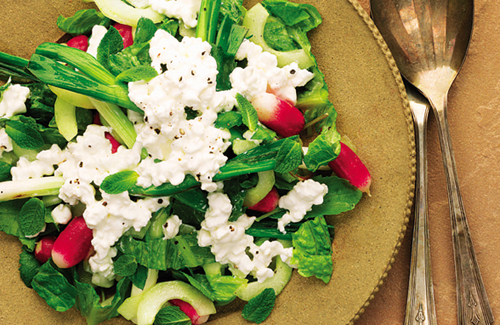
Both are ideal within a fresh, flavoursome salad, with the spring onions providing a sharp, sweet crunch, and the radish a peppery twist. Team with avocado or chopped tomatoes and new potatoes for a light snack, or add in some feta cheese or grilled chicken if you’re after a more substantial dish.

Potatoes

Potatoes are a family staple. Handily, they’re also one of the easiest vegetables to grow as they require little sunlight, and can be cultivated in sacks that can be positioned anywhere in your garden.

Sowing during Spring should provide you with a generous harvest some 18-20 weeks later. Simply plant your seeds in a potato bag and cover with compost as soon as spot any green shoots. Repeat the process until your potato bag is full. Water continually over the next few months until the foliage begins to go yellow, then tip your bag upside down to reveal all the potatoes you’ve managed to grow. I usually involve my children with my potato crop as it’s a fun and messy process and they’re more inclined to eat them if they’ve had a hand in growing them.

Blackberries

vanilla_baked_cheesecake_59336_16x9 (1)

A British classic, blackberries are incredibly simple to grow and are the perfect breakfast accompaniment or dessert topping. Whether you blitz them into a smoothie, or reduce them to make a compote, you’ll find plenty of recipes online to satisfy a sweet tooth.

Perfect for lazy gardeners, after preparing a plot these are relatively fuss-free. Plant out anywhere in the garden as they don’t need a lot of light or attention, then train the stem into wires so that they are easier to harvest when they fruit. Although standard varieties can be thorny and spread quickly, if you only have limited space or share your garden with tiny tots, try a variety such as the Apache.

Peas

Another daily staple, my children love homegrown peas. Thankfully, they’re also fairly easy and hassle-free to grow. Sow now whilst the weather is still cool so you get stronger and sturdier spouts, then provide plenty of support from the stems using chicken wire or other netting. For those with less space, I’ve also had some success growing peas in pots by adding canes along the circumference and surrounding with netting. Remember, the more you pick the more they produce, so harvest regularly for an impressive weekly yield.

Peas taste great straight from the ground, so can be plucked from source and added to a fresh green vegetable medley for an alfresco summer snack. Otherwise team with lean meat to finish off a dish… or fish fingers (*sigh*) for the kiddies.

Goji Berries
7b7cad0b134243c8a24b6d33658b1024

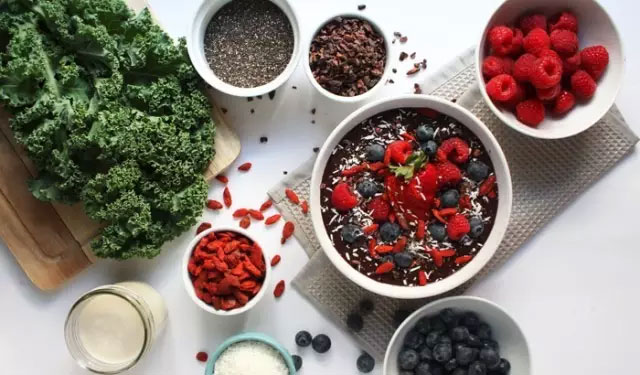
Believe it not, goji berries love our British climate. They are surprisingly tough as a shrub and can even grow in windy coastal areas. Just be sure to plant them where they’ll be exposed to plenty of sun as spring gives way to summer.

The fruit is extremely juicy and are rich in nutrients. Mix in a blender on a morning with other fruits and natural yogurt to make a superfood smoothie to help you power your way through the day. Goji berries have been used in Chinese medicine for over 6000 years and their antioxidant properties are reported to boost the immune system and improve brain activity. With a curt sweet taste, they also make a neat little breakfast and dessert topper.

Happy growing


Going all Good Life with a Bare-Root Pear Tree from Dobies of Devon

Posted on

Dobies of Devon Logo

Year upon year I have a momentary burst of inspiration and beg Craig to whizz me down to a garden centre. Seduced by pretty pictures I’ll stock up on seeds and soil and get all down and dirty in my garden. The excitement lasts for a good month with me staring at fresh soil for hours on end as though sheer willing will speed up germination and force tiny shoots to pop up and say hello.

A few weeks later, boredom sets in. Those bald headed little shoots are now leafy adolescents with a bounty of buds. Yet they’re in no rush to grant you a peek inside and impatience gets the better of me. As such, plants that showed real promise, silently scream for water but I’m way too busy fake-tanning, painting my nails or blogging to notice.

002

It’s almost like modern day genocide. Leaves start to brown, flowers will wither and poor old Craig ends up becoming the sole nurturer for my garden babies. He didn’t ask for the role though and humpfs a little every time he fills up a watering can. He’s also clueless as to what anything is, and how to care for it. Needless to say, we have around one week of bloom, quickly followed by chaos.

This year I’m taking inspiration from The Good Life. I’m being far more selective and picking hardy plants that don’t need me fussing over them, and that yield fruit and veg rather than flowers. The theory is that if my garden produces something we can eat, I’ll be more inclined to stick with it. I’m also giving up on seeds & cuttings and will be giving trees and more mature plants a new home instead - I’m clearly not to be trusted when plants are at their most vulnerable.

appletree-2

I’m not unrealistic. I know much of the work I do now won’t pay off until next year. But next year we’ll hopefully have a rich and diverse garden that is working for us rather than against us.

As is often the case, this decision coincided neatly with an email in my inbox from Dobies of Devon. Dobies have been supplying flower and vegetable seeds direct to gardeners since 1880, and stock unusual and hard-to-find items at seriously competitive prices. Wholly online they’ve also been awarded the coveted “Best Buy” Seed Supplier by Which? with “an impressive 91% of seed producing healthy seedlings”. Keen to help with our somewhat ambitious project, they sent me Boris. Pear

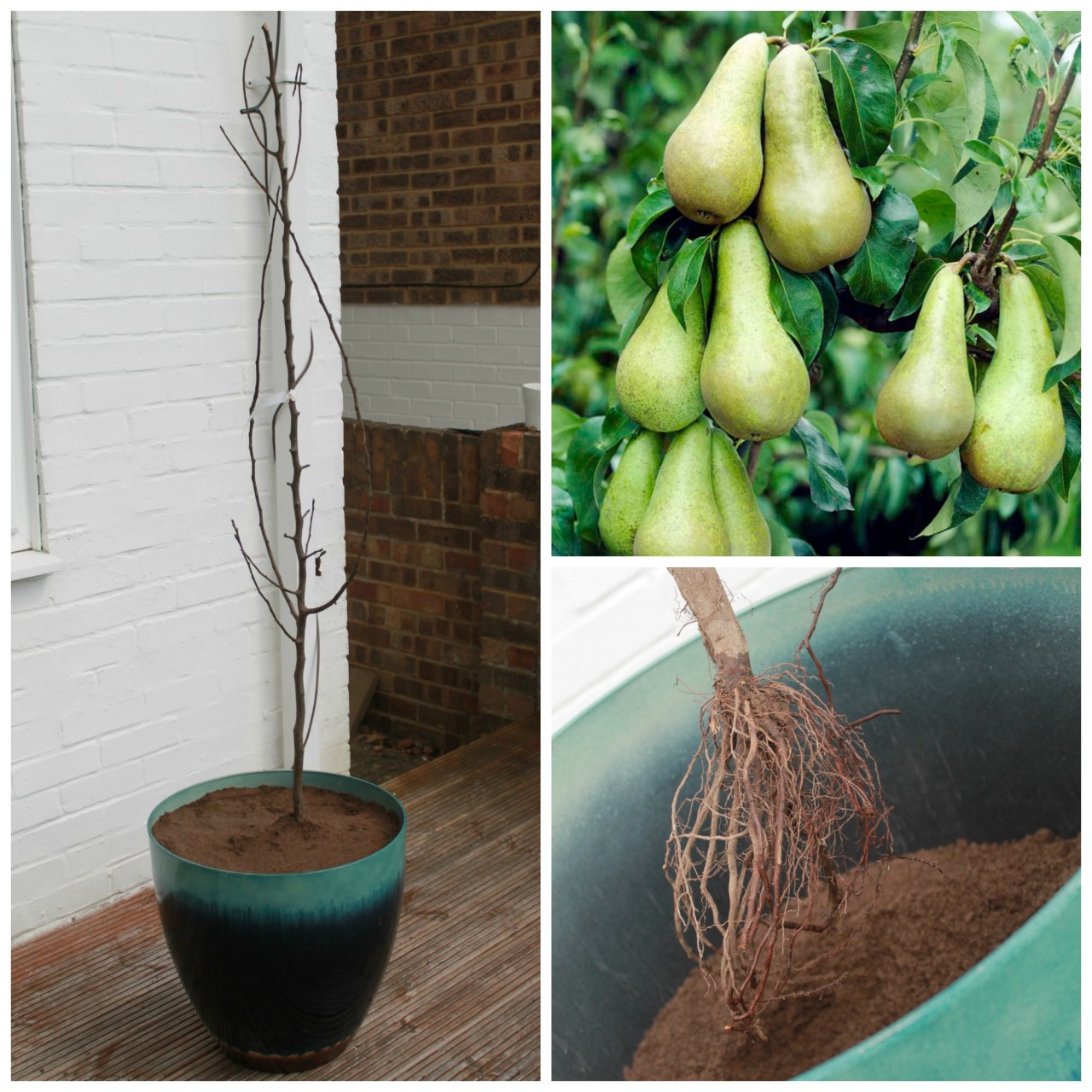
Boris is our brand new conference bare-root pear tree from Dobies of Devon, and having missed out National Gardening Week due to our recent holiday, he’ll be the first thing I’ve planted this year. Once established, pear trees require very little care throughout the year and are tricky, though not impossible, to kill. Sounds spot on for this family where apathy reigns supreme and toddlers destroy plants for fun. The kids also love pears, so should we successfully grow one, it will end up in their bellies.

Boris is a bare-root tree of the pyrus communis variety, so much of the hard work has been done already - sort of like adopting a teenager. He cost just £19.99 and arrived in a sturdy box with his roots wrapped in black plastic to keep him well protected and hydrated. He’s a good 5ft, with strong Qunice A rootstock and is the perfect age for planting. This isn’t the ideal time to bed him down as bare-root varieties are usually planted out late autumn until early spring, so Boris will start his life as a containerised plant then be planted out next year - Naturally Craig will hereafter be on watering duty.

Pear Tree Planting

Here’s how to plant out one of Boris’ brothers:

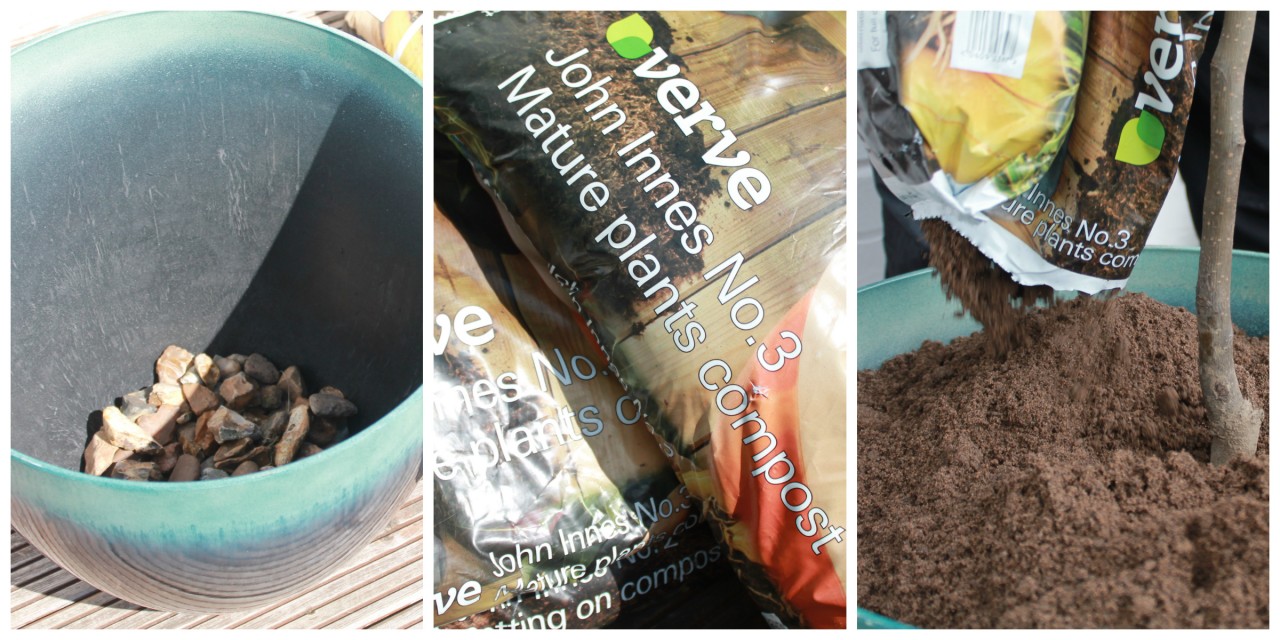
  • Choose a container that is 45-50cm (18-20in) in diameter
  • When planting, place some crocks (small pieces of broken concrete, clay pots, or polystyrene) in the bottom of the container to retain moisture whilst reducing the risk of flooding
  • Use a good-quality compost (John Innes No 3 is ideal), or multi-purpose compost mixed with one-third by volume of grit

Aftercare: How to keep Boris and chums happy

  • The ideal position for a pear tree is a sunny, sheltered site, well away from any frost pockets. Be sure to move their pot around the garden so they see the afternoon sun throughout the year
  • Water them during dry spells and when the fruit starts to swell - they’re thirsty lads so be generous!
  • In early spring, sprinkle a balanced general fertiliser around the base of the plant, to give them the best chance of a decent yield
  • Pears should be pruned every year to get the best crop. For more advice on pruning pears, the RHS have detailed instructions

So wish us luck! We’ll report on any significant changes throughout the year, for now, sleep tight Boris!


Related Posts Plugin for WordPress, Blogger...