With a growing trend for clean-eating, us Brits are now, more than ever, including plenty of fresh fruit and vegetables in our diets. We’re also super conscious of how this fresh produce is produced and handled. With this in mind, there’s nothing been a better time to get stuck in and grow your own vegetables.
This needn’t require a substantial initial outlay, nor will it take up too much of your time and energy - in fact, you can kick off your vegetable patch with a handful of seeds and single bag of compost. Better still, premium seeds retailers Suttons and Dobies, have popped together the ultimate guide on what to grow in your garden, and how you can incorporate them into some fresh, healthy meals. Here’s a selection of fruit and vegetables that thrive in a British climate:
Spring Onions and Radishes
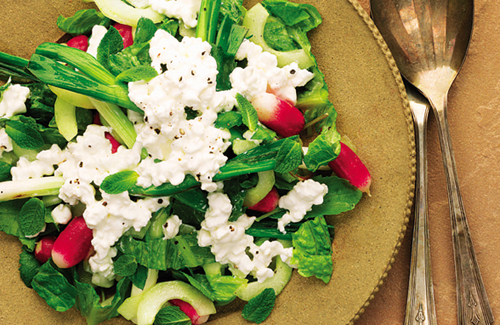
These can be grown either in a pot in the garden, or you can sow them straight into the ground as we head into the warmer summer weather. Simply pick a sunny spot in your garden and prepare your soil. Spring onions thrive in loose soil that drains well, so use a trowel to break up the soil on the day you sow them, or loosely rake over a plot every day for a few weeks in advance. Toss in a handful of fertiliser then sow your seeds anytime between March and July in short shallow rows (spaced around 1 inch apart) before loosely covering with soil to protect them from the elements and natural predators.
Both are ideal within a fresh, flavoursome salad, with the spring onions providing a sharp, sweet crunch, and the radish a peppery twist. Team with avocado or chopped tomatoes and new potatoes for a light snack, or add in some feta cheese or grilled chicken if you’re after a more substantial dish.
Potatoes
Potatoes are a family staple. Handily, they’re also one of the easiest vegetables to grow as they require little sunlight, and can be cultivated in sacks that can be positioned anywhere in your garden.
Sowing during Spring should provide you with a generous harvest some 18-20 weeks later. Simply plant your seeds in a potato bag and cover with compost as soon as spot any green shoots. Repeat the process until your potato bag is full. Water continually over the next few months until the foliage begins to go yellow, then tip your bag upside down to reveal all the potatoes you’ve managed to grow. I usually involve my children with my potato crop as it’s a fun and messy process and they’re more inclined to eat them if they’ve had a hand in growing them.
Blackberries

A British classic, blackberries are incredibly simple to grow and are the perfect breakfast accompaniment or dessert topping. Whether you blitz them into a smoothie, or reduce them to make a compote, you’ll find plenty of recipes online to satisfy a sweet tooth.
Perfect for lazy gardeners, after preparing a plot these are relatively fuss-free. Plant out anywhere in the garden as they don’t need a lot of light or attention, then train the stem into wires so that they are easier to harvest when they fruit. Although standard varieties can be thorny and spread quickly, if you only have limited space or share your garden with tiny tots, try a variety such as the Apache.
Peas
Another daily staple, my children love homegrown peas. Thankfully, they’re also fairly easy and hassle-free to grow. Sow now whilst the weather is still cool so you get stronger and sturdier spouts, then provide plenty of support from the stems using chicken wire or other netting. For those with less space, I’ve also had some success growing peas in pots by adding canes along the circumference and surrounding with netting. Remember, the more you pick the more they produce, so harvest regularly for an impressive weekly yield.
Peas taste great straight from the ground, so can be plucked from source and added to a fresh green vegetable medley for an alfresco summer snack. Otherwise team with lean meat to finish off a dish… or fish fingers (*sigh*) for the kiddies.
Goji Berries
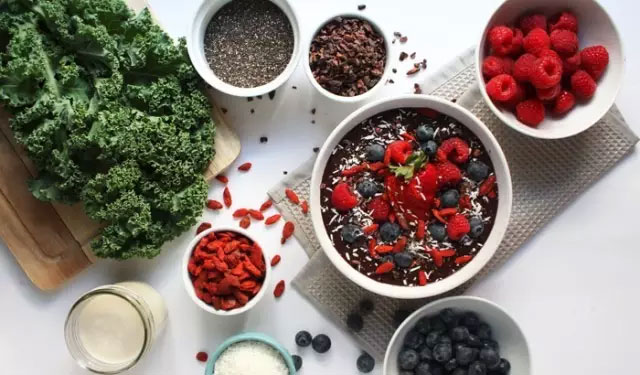
Believe it not, goji berries love our British climate. They are surprisingly tough as a shrub and can even grow in windy coastal areas. Just be sure to plant them where they’ll be exposed to plenty of sun as spring gives way to summer.
The fruit is extremely juicy and are rich in nutrients. Mix in a blender on a morning with other fruits and natural yogurt to make a superfood smoothie to help you power your way through the day. Goji berries have been used in Chinese medicine for over 6000 years and their antioxidant properties are reported to boost the immune system and improve brain activity. With a curt sweet taste, they also make a neat little breakfast and dessert topper.