
Baby Sleeping Bags with Feet from Slumbersac

Posted on

Slumbersac-Logo

Until now I’ve resisted using sleeping bags with both of my children. Although they’ll both kick off their duvets, it didn’t appear to bother them so I always assumed they were just hot. Heidi also likes to party in her cot when we read her a story and is unable to get to her feet and pace up and down in a sleeping bag. She also suffers from night terrors so I was concerned they might restrict her and terrify her further still.

Yet the biggest reservation for me was that bedtime is very regimented in our house and even the slightest deviation from routine has them giving us the runaround until midnight. My kids change into their jammies a good hour before they go to bed to give them plenty of advance warning that bedtime is imminent. They then come downstairs and play games with us before climbing the stairs to brush their teeth - an impossible task if her feet are encased in material.
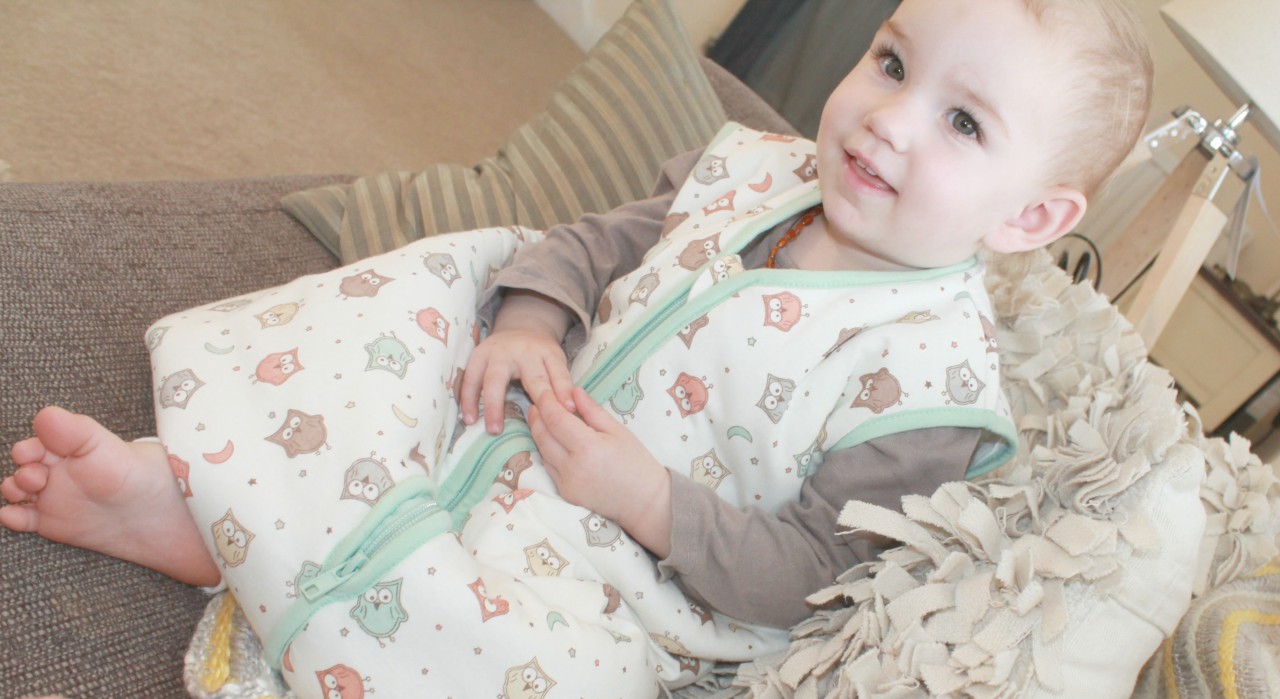
Heidi Slumbersac

Yet there’s tons of evidence to suggest that, used from birth, sleeping bags are great for slumbering little ones. They replace traditional sheets, blankets and duvets which have been directly linked to suffocation and cot death. Research has found that the ‘old’ way of covering babies causes discomfort, as top covers are easily kicked off or tangled, resulting in your baby becoming either too hot or too cold. Sleeping bags solve this problem by keeping your baby at a comfortable temperature at all times. Being lightly swaddled at night will also simulate the conditions of mum’s womb and help baby relax into a peaceful sleep.

Yet if I were to embrace this with Heidi now, she’d need a sleeping bag that still allows her to walk - in my opinion without this, they’d be downright dangerous for my little stunt-woman.
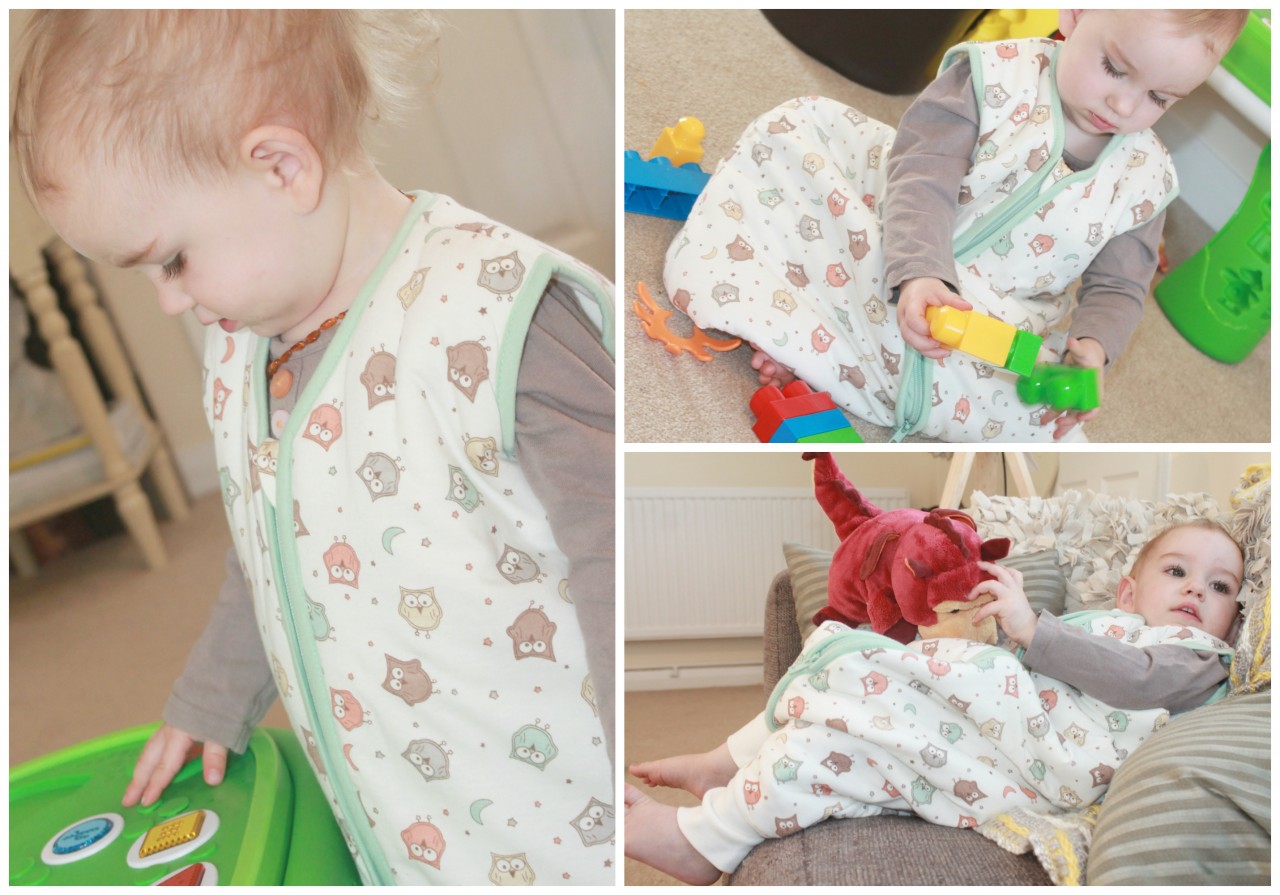
HeidiPlay

So when I clocked the all new baby sleeping bags with feet from Slumbersac, I was intrigued enough to give it a go. Heidi is a notoriously terrible sleeper, and I have often wondered whether temperature plays a part. She might kick off her sheets, but is this because she simply dislikes the fuss of them, and not because she’s sweaty and hot?…

… Only one way to find out!

Our new sleeping bags with feet provide your toddler with the freedom to move about while still enjoying the comfort of their sleeping bag. Now you can get your little one ready for bed nice and early and they can still play until you’re ready to put them down. This clever design allows your child’s feet to fit inside the sleeping bag when sleeping, so toes stay nice and cosy! Available in 4 sizes from 12 months to 4 years in two tog ratings with three very sweet designs

Slumbersac Sleeping bags with feet

What do I think?

First up, Heidi’s sleeping bag arrived impeccably packaged with even the post-lady commenting on how sweet the owl design on the packing bag was. First impressions were therefore that this would make a really lovely gift for a child in need of an extra layer as sweaty summer nights give way to autumn.
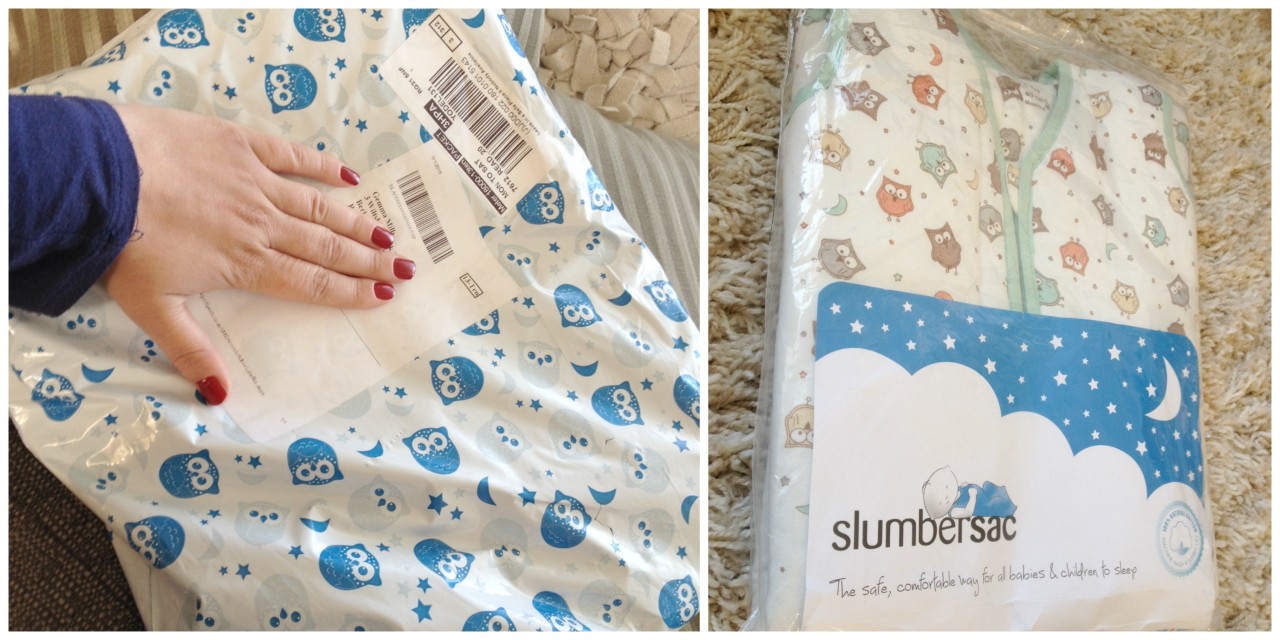
Slumbersac

For exactly this reason, we plumped for the 2.5 tog so Heidi would be extra snug at night. Heidi is actually 1 year 6 months but I opted for a 18-24 month size to give her room to grow. This means the bag is slightly too big for her at the moment, but I wanted to see if this greatly affected her ability to walk in it - after-all most of us “buy big” for our kiddies. Thankfully, you can see from the piccies, she’s able to move with ease and, owing to the reinforced cuffs on the ankle, can negotiate the stairs without tripping over the excess fabric too.
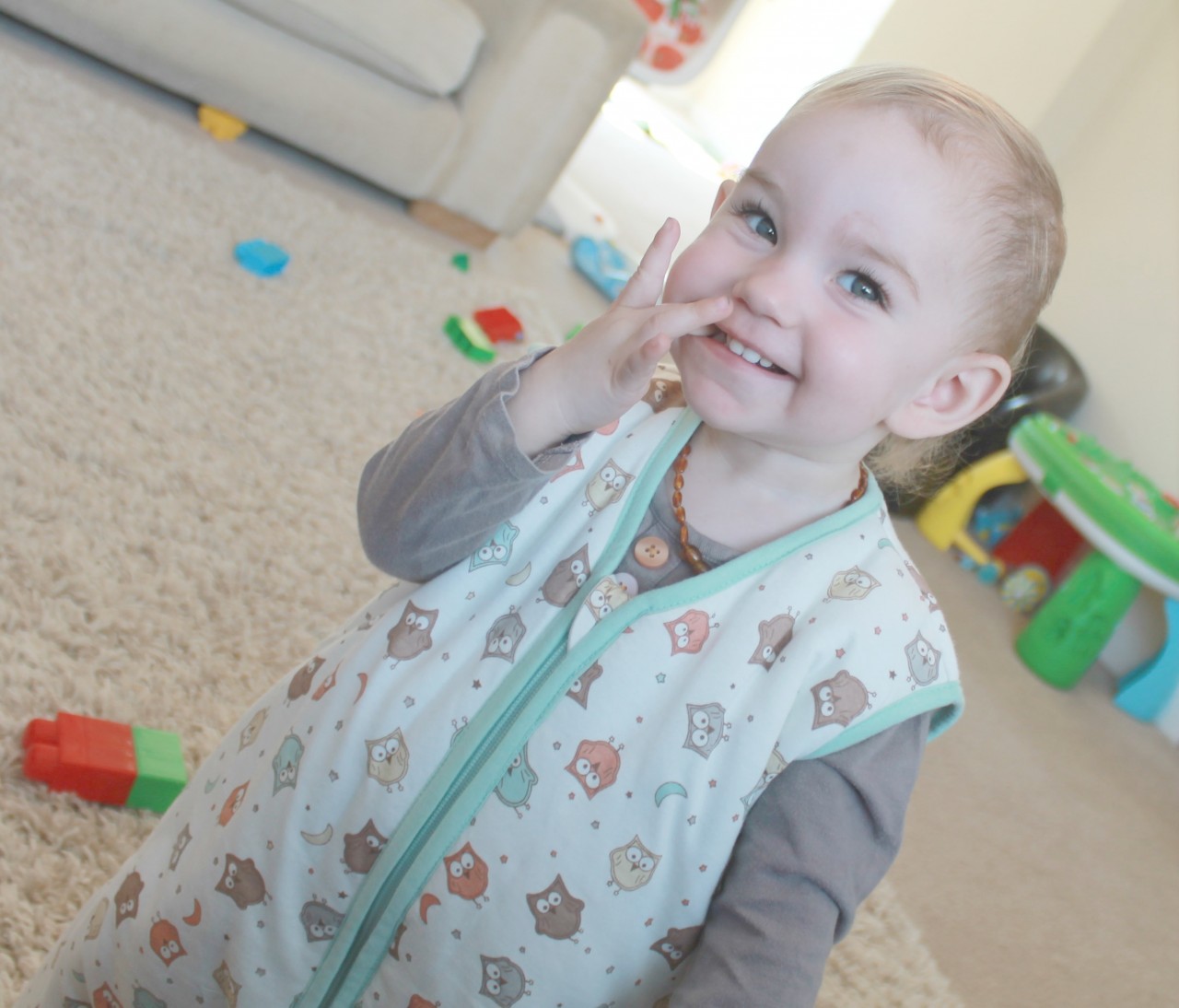
HeidiSmile

The quality is also really impressive. I’m pleased to see that zips are plastic and fully concealed so as not to come into contact with Heidi’s skin. The zip also closes downward (so when dressed for bed, the dangly bit of the zip winds up near her nether regions, rather than her neck) to further prevent any irritation. From a safety and comfort perspective, it’s therefore up there with the major league players in the baby sleeping bag market.

The best bit, she loves it. She doesn’t complain when we pop her in it and it doesn’t affect playtime before bed. We’ve also noticed that she’s sleeping more soundly and for longer periods in-between waking.
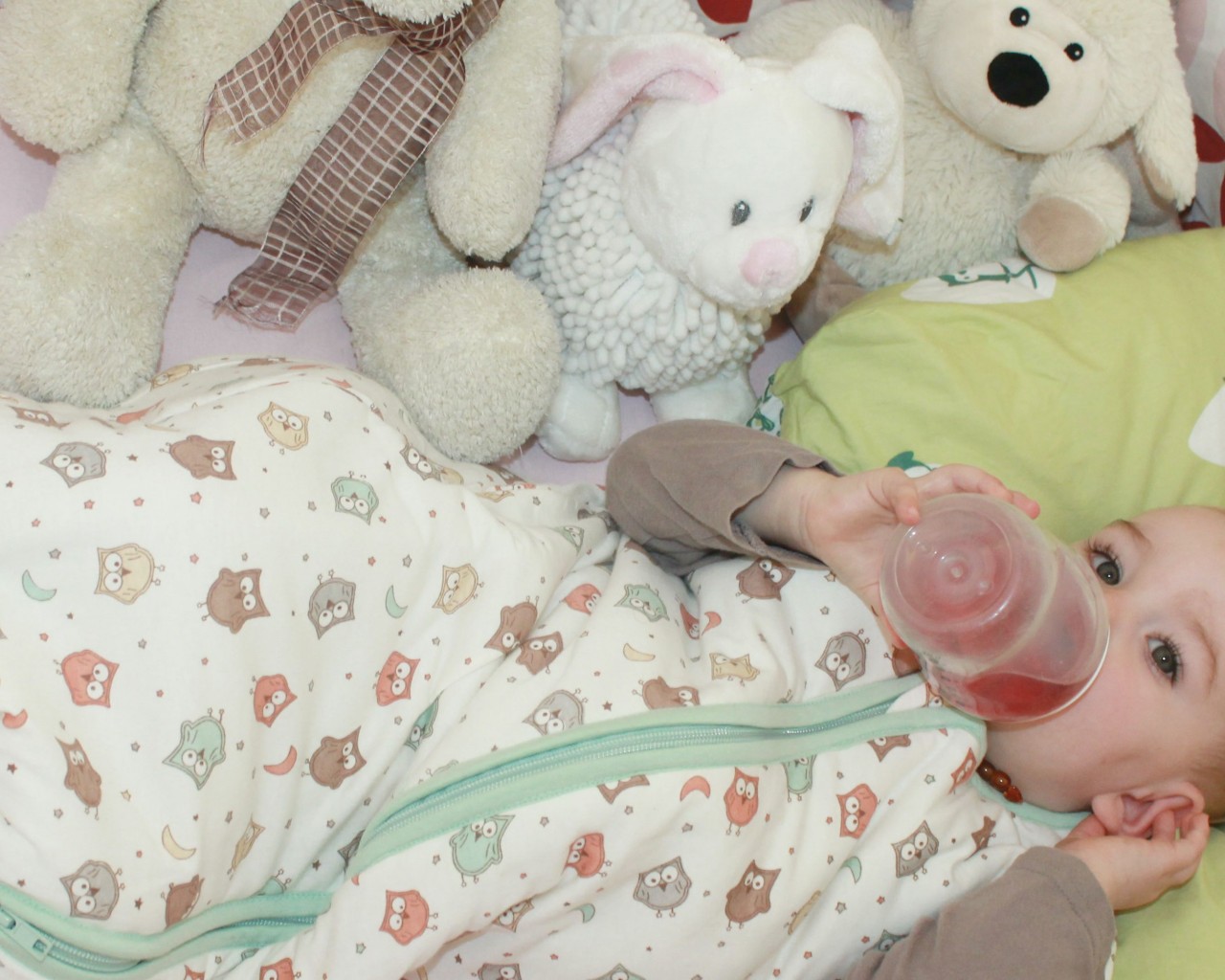
Heidi Bed

Although Heidi’s toes stay free whilst she play, when she’s asleep we simply tuck these inside the sleeping bag to keep them toasty. I do wonder about her arms though. Given she’s so snug elsewhere, I wouldn’t want to pop an extra sheet on her, but this sleeping bag is sleeveless. It would therefore be a neat improvement on the design to see the higher togs with arms - or maybe even detachable arms so parents can choose depending on baby’s room temperature. I should point out that Slumbersac do actually do long-sleeve sleeping bags (not yet for the feet design) but there are winter-time solutions that I’ll have to try out on mini-madam.

All in all, I’m really happy with Heidi’s new Slumbersac and wouldn’t go back. Having seen how comfy she is, I can’t think why we resisted this long - we could have been enjoying extended periods of sleep ourselves if we had just bought into the sleeping bag trend sooner.

Bag your own from just £19.99 (£23.99 for the biggest size at maximum tog rating) from Slumbersac.co.uk, or find out more on any of their social media channels:

Twitter: @SlumbersacUK / Instagram: @Slumbersac / Facebook: @SlumbersacUK / Pinterest: @SlumbersacUK


An Exclusive Chat with Baby Sleep Expert Jo Tantum

Posted on

You’d have to have had your head stuck in the sand to not know who Jo Tantum is. She’s baby sleep expert to A-lister’s and a regular guest speaker at baby events throughout the UK. Her CV reads better than Mary Poppins’ - 25 years experience of working with babies, a bestselling book, a healthy dose of television appearances… Best of all, what she doesn’t know about babies simply isn’t worth knowing!

As the Official Baby Show Blogger for 2014 I was recently given the opportunity to pick her brains about her Spaced Soothing method for getting challenging babies to enjoy their sleep. I also sneaked in the opportunity to ask her about some of your toddler-sleep dilemmas…

Becky Gower: “My toddler who has always loved sleep is now a pain to get to bed. He just keeps getting out of bed! How can we get him to stay put?”

Moving a toddler into a big boy / girl bed is a massive transition for them. With that new-found sense of freedom, it’s a real novelty that is tricky for them to get their heads around. Although they appreciate a bed is for sleeping, the temptation to explore their room and open the toy box is often too much to bear.

In the first few days, they’ll test you to see just how much they can get away with. The ‘fingers crossed and hope’ method (that your little escape artist will get bored eventually and return to bed) isn’t a good idea. Kids thrive on routine because they’re habitual little creatures. Letting them roam freely and disrupt their tried & tested routine will inevitably lead to grumpy mornings and over-tired days

Jo’s top tips are:

To pop a stair-gate on their room not on top of the stairs

Repeat the same sentence every time you’re forced to intervene

Reward successful nights

Seems simple - but it helped us. Dexter’s stair-gate used to be on the top of the stairs. We’d close all the other doors so he couldn’t stick his hands down the loo in the family bathroom, or empty my knicker drawer for the umpteenth time - and we assumed the landing was a pretty dull place for a toddler.

How wrong were we!

Dexter loved the landing, and he’s not alone. In fact, even the most mundane of places is sensory overload for an inquisitive toddler. Despite the fact that Dex’s own room is rammed with toys within easy reach, every morning it seemed relatively undisturbed like he’d ditched his cover and made a run for the door instead. Having cranked open our own bedroom door for him when we eventually made it to bed, we’d wake up with him investigating my bedside drawer or seeing if my mobile floats in the en suite toilet.

Sealing little ones in their room works really well. You limit their focus and the space in which your little person has to roam. Freedom to move outside of where the bed is will distract them from the task at hand. Dexter has responded incredibly well to this and now rarely bothers getting out of bed at night. In the mornings he’ll play with toys quietly and will get louder when he needs me and is ready to face the day. His room might need a little tidying, but it’s a small price to pay for knowing he’s getting all the sleep he needs at night.

Repetition is also a fabulous technique for educating those who are yet to master the English language. Something incredibly simple like “Sweet dreams Dexter, time for sleep” leaves them little doubt as to your intentions. If your child is quick to leap out of bed and bash at the stair-gate, cry hysterically or boogie in their room for more than a few minutes, then up the stairs you go, tuck them into bed, and deliver your A-bomb with as little fuss as possible. Don’t be tempted to bring over a soft toy to distract them (unless it’s part of their existing routine) and don’t ask them what’s wrong as you’re then inviting a reaction. Your cadence shouldn’t change either.

Rewarding your child is also an essential tool in a parent’s armory. It’s also a must for your child. If you don’t reward them, how will they ever appreciate they’ve performed well? If little Johnny has given you the run around until 12am yet wakes to exactly the same morning routine, you’ve given him the green-light to do the same again.

Reward charts are the most obvious choice for a child who is old enough to appreciate a visual prompt. Maybe a sticker placed on a chart (with all the appropriate fanfare) or perhaps a lucky dip box with foil-covered treasures from the pound shop. Hand stamps are also a great idea for younger children. Just make sure you explain why they are receiving the prize when you dish it out.

Of course every new routine takes time to sink in. Allow your child 72 hours to absorb the changes.

Colette Burgess: “My friend’s daughter is 16 months and wakes REALLY early - I’m talking 4am and just won’t go back to sleep. They would just leave her but she shares a room with her older brother. It’s not every day - she can have a run of days where she wakes at a sensible time but the early-morning rises are still too frequent. They have no idea what to do to encourage her to sleep in longer”

Jo points out that 4am - 5am is the coldest part of the night in wintertime, and a period of particular light sleep for a little one. The parent’s might want to double-check baby is has sufficient layers when they retire to bed themselves. The optimum room temperature for a child’s room should be 21 degrees so perhaps leaving the radiator on all night at a set temperature might promote a longer-lasting sleep.

It might also be a good point to experiment a little more with nap times. Perhaps this little girl is over-indulging throughout the day to compensate for her early rising. Try to limit her to one nap for a maximum of 1.5 - 2.5 hours in the early afternoon.

Although this child is 16 months, for a younger sibling that’s been recently introduced to sharing a room white noise, pink (womb) noise, or wave noises also work particularly well. They’re developed to be consistent yet non-disruptive and help promote healthy sleep patterns for babies. You’ll need to play this into the room for a good 12 hour stretch so iPods, iPads and other devices are ideal for this. Jo recommends Homedics.com for white noise machines, or you can download plenty of apps for around 75p that should do the trick. I’ve also heard great things about this little guy, Ewan the Sheep (also available at The Baby Show), and am keen to try him out on Mini Madam in a few weeks time.

You also have to bear in mind that your little monster can’t tell the time. So often they rely upon visual cues such as sun-rise to indicate the day has begun There are a wealth of products on the market to help young child get to grips with this including colour-changing clocks. Jo however recommends taking a favourite character lamp and fitting a timer switch to indicate morning time. Create a back-story surrounding the new feature - perhaps “it’s magic” or something equally exciting to get your little ones on-board.

As always - remember to reward good behaviour using the advice above.

Anon: “My toddler (20 months) spends a few nights with his grandma every week depending on my workload. He sleeps fine at our home (8pm - 8am) but seems to really play-up at his Nana’s. Any advice would be great”

This is something Jo has come across regularly and I’m sure she won’t mind me sharing one of her own stories…

When she was working with a toddler many moons ago, she found that the parent’s had already established a very good bedtime routine. The parents left detailed notes, right down the child’s preferred book at bedtime, and Jo set to work trying to settle him on the first night. When Jo had finished his usual story and began moving onto the next phase of the routine, the child was pretty insistent on having the book read to him again and kept thrusting it back into her hands.

The next morning, Jo asked the parents if she was missing a trick, and it turns out she was. The parents read the book to the child every night then returned to each page so the child could say ‘goodnight’ to each of the characters. Something as simple as leaving this stage out had completely thrown his sleep time routine off-kilter.

Replicating bed-time routines is therefore essential here. The trick is therefore to create a very detailed sleep plan for your child and ensure every stage is met in their ‘secondary bedroom’. The same applies to children who have parents who have separated and they divide their time between two homes. Favourite teddies, books, and even stair-gates, duvets and pillows should travel with your child to help recreate the exact same environment they are thriving within in.

Again reward your child when they get it right.

***

There you go! Tons of ideas to get your toddler off to a good start when it comes to bedtime. If you have any answered questions or would like to work with Jo yourself, you can check out her website to find out more about her Sleep Angels Workshops or book a consultation. She’ll also be guest speaking at the upcoming Baby Show on February 21-23 at London ExCel - it just so happens I’m running a competition for free tickets (shameless self-promotion there!) - here it is if you’re desperate to go.


Related Posts Plugin for WordPress, Blogger...