8 Tips for Maintaining a Water Bubbler

Posted on

While water bubblers are a great way to keep everyone in the office, gym, home, or school hydrated with clean, potable water during business hours -it’s also important to remember that even though the water you put through them is clean- germs, bacteria, mold and mildew can accumulate within the tubes and other parts relatively quickly.

The more humid the environment and active its use, the more likely it is that a water bubbler becomes unsanitary. They’re typically made of plastic, and in just about every case whether they’re stainless steel or not, the tubing which carries the water around is certainly food grade plastic.

Plastics are more prone to bacteria, so maintaining a regular maintenance and cleaning schedule is important for to follow through every few fill-ups.

However don’t be alarmed, it isn’t as difficult as you think. Read on to learn how to clean and maintain your trusty water bubbler.

How to Clean and Maintain a Water Bubbler

In order to clean and maintain a water bubbler, you will need the following tools;

  • Bleach
  • Bristled brush or a sponge
  • 2 Buckets
  • Rubber gloves (optional)

1. Disconnect the Power

It is important to remember never to attempt to clean a water bubbler with it still plugged into the power outlet; you wouldn’t want to get a shock –you’re working with an electrical device and water- not a safe mix unless it’s unplugged.

2. Take Away the Water Jug or Bottle from Above

It is probably most convenient to clean your water bubbler right before swapping an empty bottle for a new one.

3. Remove any Excess Water from the Reservoir

Before you begin, first you’ll have to remove any water from the reservoir into a bucket and make sure the water bubbler unit is completely empty.

4. Make a Bleach Solution

Once you’ve got your water bubbler’s water reservoir free and clear it’s time to make your bleach solution. Use the second bucket with one gallon of clean water in it & add 1 tablespoon of bleach.

5. Pour Bleach Solution

Now it’s time to refill the water bubbler’s reservoir with your bleach solution; simply pour in the solution until it fills the reservoir. Any excess solution you have can be stored for a month afterwards for subsequent cleanings. Let the solution sit in the chamber for about 4 – 5 minutes.

6. Drain the Bleach Solution

After 4-5 minutes empty the bleach solution through the faucet. This will also clean the tubing between the chamber and the faucet.

While you’re at it, let some solution fall under the screen below the faucet and use your sponge to clean it up. Clean off the faucet handle and the body of the water bubbler as well.

7. Rinse, Repeat

After you empty out all the bleach solution, run clean fresh drinking water through the reservoir just as you did with the bleach solution 4 to 6 times, and rinse the screen/shelf below as well. This will ensure no harmful chemicals are left behind.

8. Put it All Back Together

“All back together” sounds like work; oh no – put the screen back over the little shelf under the faucet, put in a new water bottle. You’re all set.

See? Nothing to it. We suggest assigning this task to one person in the office so it doesn’t get shirked around and avoided. It’s easy enough to do!


How to Baby Proof Your House

Posted on

Heidi-Giggle

While bringing a new baby home can be an exciting time, it can also cause parents a great deal of worry. Before you welcome a new family member into your household, it’s important that you take all the necessary precautions to create a secure environment for them to grow in.

While the odd bump and bruise is a natural part of childhood, most of these accidents are avoidable if the right safety measures are taken. To help ensure you have covered all the potential risks, there is a wealth of information available online offering advice on how you can effectively child-proof your home. If you want to take your knowledge to the next level and learn about first aid practices, companies like Phoenix Health and Safety offer a variety of health and safety training courses.

To help you get started on identifying hazards around the home, take a look at these top tips:

Trips and falls

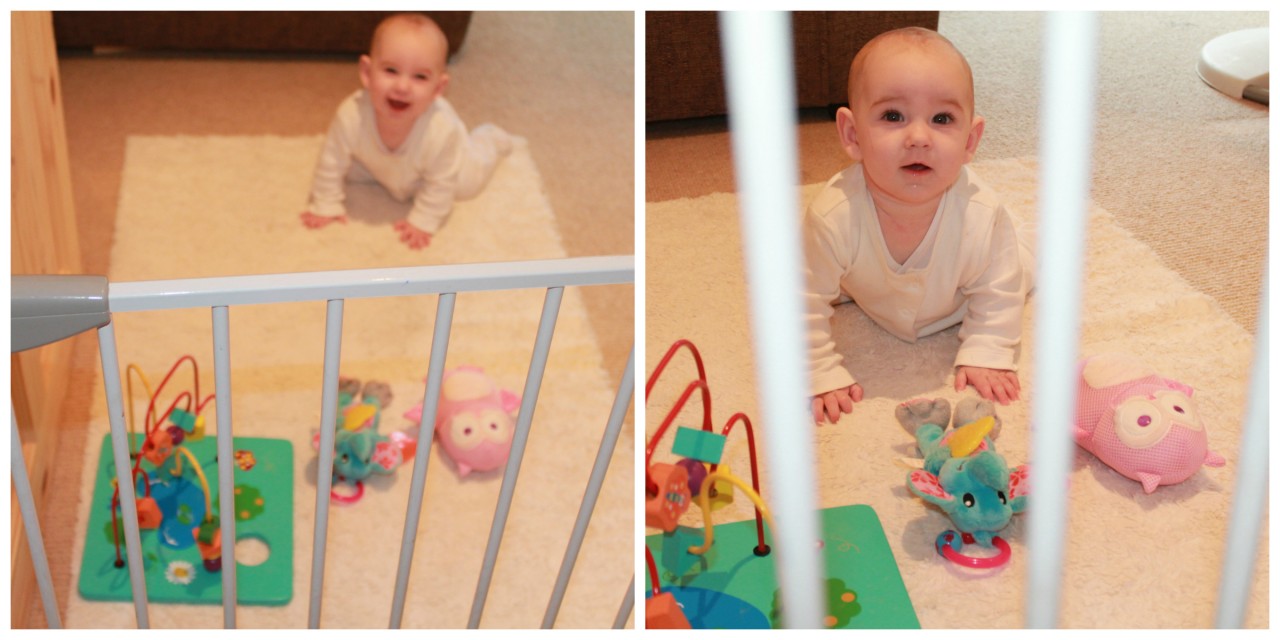
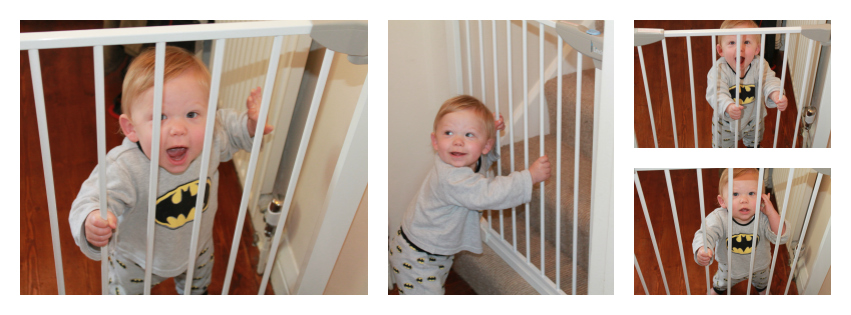
Once your baby starts crawling, you’ll need to take extra precautions to keep them safe. To ensure that your child doesn’t suffer any serious injuries, it’s a good idea to fix safety guards to the top and bottom of the stairs and ensure that they are clear of any clutter that may cause them to trip. Loose wires are also an accident waiting to happen, so try to conceal all cables behind furniture or keep them neatly tucked away.

Lindam

Cuts and bumps

Babies love to grab and pull on anything they can get their hands on. Prams, highchairs and cots should always be positioned at a safe distance from freestanding objects that could easily topple over, such as lamps or ornaments. As your tiny tot begins to find their feet, you will need to start thinking about securing furniture they may be tempted to climb, such as bookcases and drawers. To soften the impact of a collision, you may also want to think about fixing cushioned corner protectors and bumpers to sharp furniture edges.

Burns

Burns and scalds are one of the most common accidents associated with young children. Remember that a child’s skin is a lot thinner than an adult’s, so it’s vital that you protect your youngster from nasty scalds. If your home has a fireplace, you should always use an approved safety guard. Where guards cannot be used with electrical heaters and radiators, be extra careful to keep your baby at a safe distance at all times.

Dangerous items

While it’s important not to stifle your child’s natural curiosity, remember that their ability to perceive their environment has not yet fully developed, making it your job to minimise the dangers.

Toddlers often like to put objects in their mouth, so be extra careful not to leave small items lying around that may cause them to choke. Cleaning products, matches, lighters, medicines and other dangerous items should be kept in a locked cupboard out of reach of curious hands. You may also want to consider fixing child-locks on drawers that contain sharp utensils, such as knives, scissors and stationery.

Heidi

Final considerations

While you may feel as though you have thoroughly baby-proofed your house, you still need to be alert to the less obvious dangers. Toddlers can easily become entangled in long cords or ties from curtains and blinds, so make sure that they are carefully tucked away. Any worn or damaged areas of the house should also be updated or repaired to prevent injuries, including loose areas of carpet, frazzled wires and splintered wood. And, when putting your baby to sleep, it is crucial that you use a light blanket and flat pillow to prevent suffocation.

Remember that baby-proofing is an ongoing process. Your safety precautions will need to be modified as your little one grows. However, while safety devices can effectively reduce the chance of accidents and injuries from occurring around the home, be careful not to be lured into a false sense of security. Supervising your child and helping them to grow and explore their surroundings is one of the best ways to ensure their safety.


Related Posts Plugin for WordPress, Blogger...